Planning Permission Guide for London Home Extensions
MARMAREX Team
Construction Experts
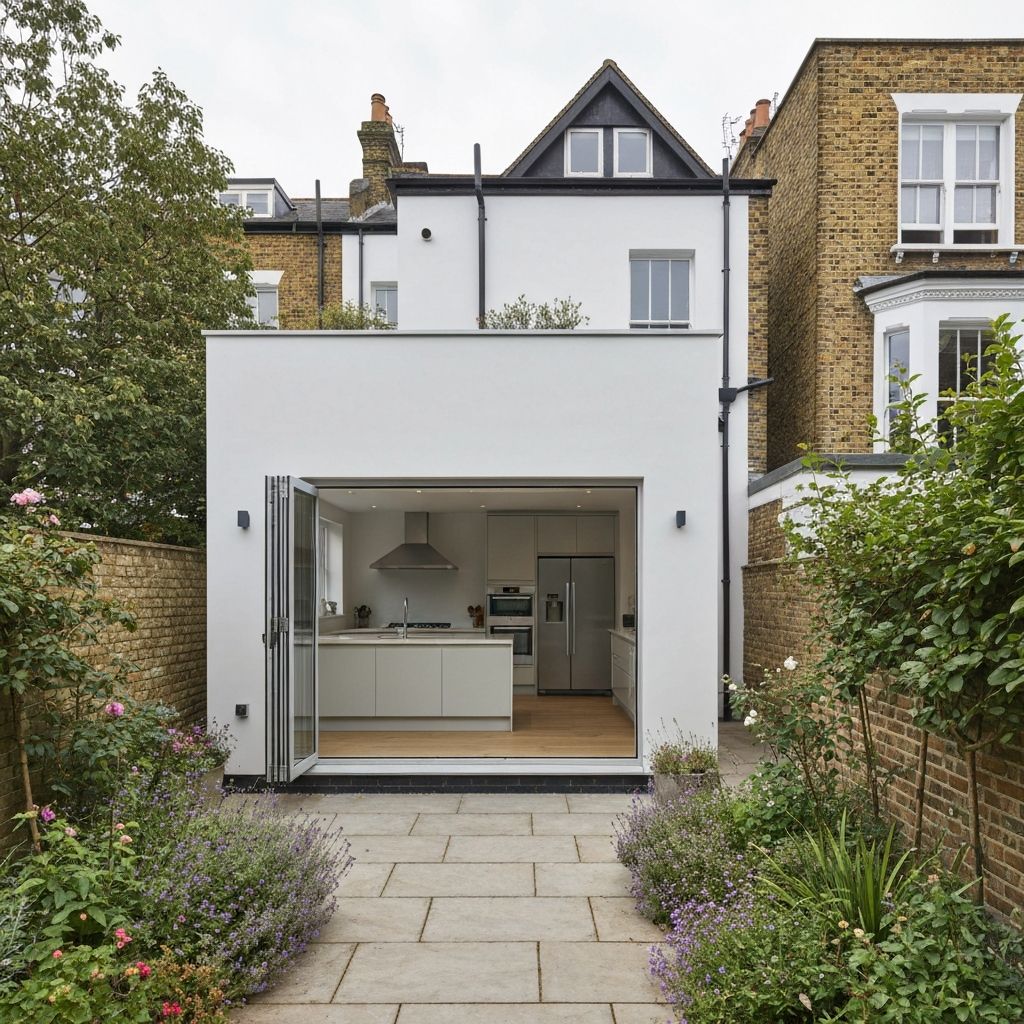
When considering a home extension in London, one of the first questions homeowners ask is whether they need planning permission. The answer depends on several factors, including the size and type of extension, your property's location, and any previous modifications. This comprehensive guide will help you understand the planning process and make informed decisions about your project.
What is Permitted Development?
Permitted Development Rights (PDR) allow certain building works and changes of use to be carried out without needing to apply for planning permission. These rights are subject to conditions and limitations, which vary depending on the type of property and its location. Understanding these rights can save you time and money on your extension project.
- Single-storey rear extensions up to certain size limits
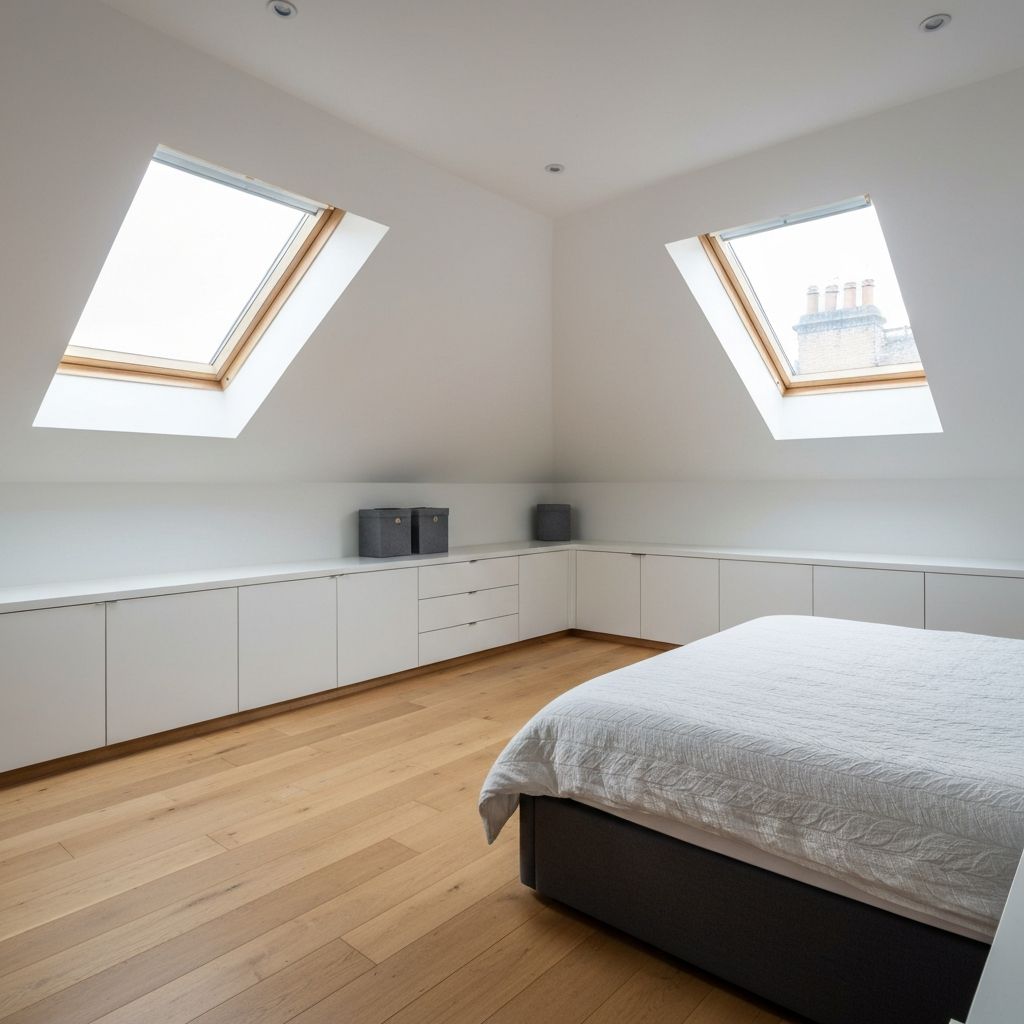
- Loft conversions within specific parameters
- Porches and outbuildings under size thresholds
- Internal alterations (non-listed buildings)
- Replacement windows and doors (with conditions)
When Do You Need Full Planning Permission?
While permitted development covers many home improvements, there are situations where you must apply for full planning permission:
- Your extension exceeds permitted development limits
- Your property is in a designated conservation area
- Your home is a listed building (Grade I, II*, or II)
- You have already used your permitted development allowance
- Your extension faces a highway or public footpath
- You are building a separate dwelling or annexe
Size Limits for Single-Storey Rear Extensions
Under permitted development, the size limits for single-storey rear extensions are as follows:
- Detached houses: Up to 4 metres from the original rear wall
- Semi-detached and terraced houses: Up to 3 metres
- Maximum height: 4 metres at the eaves
- Must not cover more than half the garden area
- Materials should match the existing property
The Prior Approval Process
For larger single-storey rear extensions (between 4-8 metres for detached houses or 3-6 metres for other houses), you need to go through the 'prior approval' process. This involves notifying your local planning authority, who will then consult with your immediate neighbours. The process typically takes 42 days and costs around £100. If no objections are raised and the council doesn't respond within the timeframe, approval is deemed granted.
Conservation Areas and Listed Buildings
If your property is in a conservation area or is a listed building, permitted development rights are significantly restricted. For conservation areas, you may need permission for roof alterations, cladding, and satellite dishes. For listed buildings, almost any alteration—internal or external—requires Listed Building Consent in addition to planning permission. Working with experienced contractors who understand these requirements is essential.
How MARMAREX Can Help
Navigating planning regulations can be complex and time-consuming. At MARMAREX, we have extensive experience working with London planning authorities across all boroughs. Our team can guide you through the entire process, from initial feasibility assessment to submission and approval. We handle all the paperwork, liaise with planning officers, and ensure your project complies with all relevant regulations.
Ready to Start Your Project?
Contact MARMAREX today for a free consultation and detailed quote for your construction project.
Get a Free QuoteShare this article